Compare Local Contractors for Poured Concrete Installation Success
Compare local contractors for poured concrete installation to define project scope, verify experience, and set clear expectations in writing for a successful job.
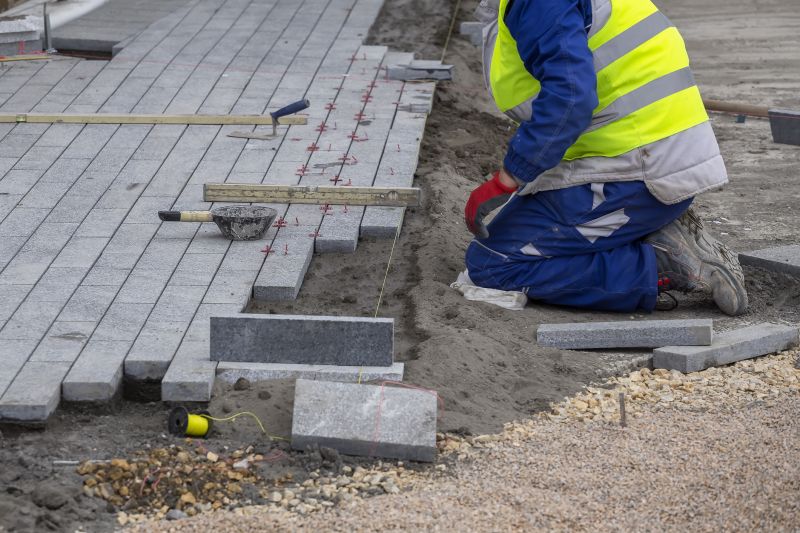
Poured concrete installation projects typically encompass a range of applications, including driveways, sidewalks, patios, foundations, and other flatwork surfaces. These projects involve preparing the site, setting forms, pouring the concrete, and finishing it to achieve a smooth, durable surface. Property owners should consider the specific requirements of their space, such as load-bearing needs or aesthetic preferences, to ensure the scope of work aligns with their goals. Clarifying what is included-such as reinforcement, finishing details, and surface treatments-helps establish a clear understanding of the project’s extent and reduces potential misunderstandings.
Defining the scope of poured concrete work is essential for setting realistic expectations and ensuring the project meets the property owner’s needs. A detailed scope outlines the size, shape, finish type, and any special features like decorative patterns or sealing. Having this information documented in writing helps both property owners and contractors stay aligned throughout the process. It also facilitates better communication and can serve as a reference if questions or issues arise during or after the installation. Clear scope definitions contribute to a smoother process and a finished product that matches the original intent.
When comparing local contractors for poured concrete installation, property owners should evaluate their experience with similar projects and verify their familiarity with the specific scope of work. It’s practical to review portfolios or ask for examples of past work to assess quality and craftsmanship. Additionally, obtaining references or feedback from previous clients can provide insight into the contractor’s reliability and professionalism. Comparing how contractors approach scope, communicate expectations, and document details in writing can help property owners make informed decisions and select service providers who are well-suited to their project needs.
Compare local contractors by outlining project priorities, verifying experience, and setting clear expectations in writing.
- Compare Contractor Experience - review the backgrounds and project history of local contractors to ensure they have relevant expertise.
- Define Project Scope Clearly - outline specific details of the poured concrete installation to set clear expectations.
- Verify Work Quality and References - seek references or examples of previous work to assess the reliability of local service providers.
- Document Agreements in Writing - ensure all project details, expectations, and responsibilities are documented to prevent misunderstandings.

Before comparing contractors for poured concrete installation, clearly describe your project scope to ensure accurate matching and expectations.
- Verify experience with poured concrete installation to ensure familiarity with similar projects. - Look for service providers who can clearly define the scope of work in writing.
- Compare multiple local contractors to assess their methods and approach to poured concrete work. - Ensure all project details, including materials and finishing techniques, are documented.
- Check references or reviews to gauge the quality and reliability of previous concrete installations. - Confirm that the contractor understands site-specific requirements and potential challenges.
- Discuss and agree upon project expectations, including surface preparation, curing, and finishing standards, in writing. - Clarify responsibilities for site cleanup and protection of surrounding areas.
- Assess the contractor’s knowledge of proper concrete mix selection and placement techniques relevant to the project. - Ensure they can explain their process for achieving durable and long-lasting results.
Compare local contractors' experience and clarify project scope to ensure successful poured concrete installation.



Use consistent comparison criteria across local contractors by clearly defining scope, verifying experience, and documenting expectations in writing.
- Scope Definition - Clearly outline the specific areas and dimensions for poured concrete installation to ensure mutual understanding.
- Material Specifications - Specify the type and quality of concrete and reinforcement materials to be used in the project.
- Preparation Requirements - Identify necessary site preparations, including formwork, grading, and sub-base work, prior to pouring.
- Installation Process - Describe the steps and techniques local contractors will follow to ensure proper concrete placement and finishing.
- Acceptance Criteria - Establish standards for surface finish, levelness, and curing to determine project completion and quality expectations.
When comparing contractors for poured concrete installation, it’s important to assess their experience with projects similar to the one at hand. Service providers with a proven track record in installing driveways, patios, or foundation slabs can offer insights into their familiarity with site conditions and material handling. Asking about past projects that resemble the scope of your project can help gauge their expertise and confidence in delivering quality results. This focus on relevant experience ensures that the contractor understands the specific requirements and challenges associated with poured concrete work in environments like yours.
A clear, written scope of work is essential when evaluating potential contractors. This document should outline the specific tasks to be completed, including site preparation, formwork, reinforcement, pouring, finishing, and curing processes. A detailed scope helps prevent misunderstandings and sets precise expectations for the project. When reviewing proposals or estimates, look for contractors who can provide a comprehensive description of what will be done, rather than vague or general statements. Having a well-defined scope in writing makes it easier to compare options and ensures that all parties are aligned on the project’s deliverables.
Verification basics are key to ensuring a smooth project. This includes confirming that the service providers have the necessary experience with similar projects, as well as requesting references or examples of completed work. It’s also beneficial to verify that they follow standard practices for site safety and quality control. Asking for a timeline or schedule of the work, even if tentative, can help set realistic expectations. While the site is a neutral resource, gathering this information from potential contractors helps establish their credibility and reliability before moving forward with any agreements.
When evaluating options for poured concrete installation, it’s helpful to consider how well each service provider’s approach aligns with your project needs. Focus on the clarity of their scope, their demonstrated experience, and the thoroughness of their verification process. Comparing how each contractor communicates their plan, handles potential challenges, and documents their work can reveal their professionalism and attention to detail. Remember, the goal is to select a local contractor who can deliver the desired outcome through clear expectations and proven expertise, rather than solely relying on cost or promotional claims.
Ask contractors to provide written scope details to ensure clear expectations and consistent project understanding.
- Experience and Qualifications - What experience do local contractors have with poured concrete installation projects similar to yours?
- Scope of Work - How do contractors define and clarify the scope of the poured concrete work to ensure all project details are covered?
- Materials and Techniques - What materials and installation techniques do local service providers recommend for your specific project needs?
- Project Expectations - How will contractors document the project scope, responsibilities, and expectations in writing?
- Comparison Factors - What criteria should be used to compare local contractors’ approaches and scope definitions for poured concrete installation?
How can I compare contractors for poured concrete installation? To compare contractors, review their experience, verify references, and examine their scope of work to ensure they meet project requirements.
What should I consider when defining the scope of my concrete project? Clearly outline the size, design, and specific requirements of the poured concrete to help contractors provide accurate proposals and avoid misunderstandings.
How can I verify a contractor's experience with poured concrete installation? Ask for examples of past projects, check references, and review any portfolios or case studies to assess their familiarity with similar jobs.
Why is it important to get everything in writing? Having the scope, expectations, and project details documented helps prevent disputes and ensures all parties agree on the work to be performed.
What questions should I ask potential contractors during the selection process? Inquire about their experience, methods, materials used, and how they handle unforeseen issues to gauge their professionalism and expertise.
How can I ensure the contractor understands my project needs? Communicate your project details clearly, ask for written proposals, and confirm that all aspects are included before proceeding with the work.
Understanding the key aspects of poured concrete installation helps ensure a clear scope of work and realistic expectations. Visitors learned how to compare different service providers by assessing their experience, defining project details in writing, and verifying that all necessary information is included before moving forward. This approach supports making informed decisions when selecting a contractor for the job.
Using the provided quote form allows for easy comparison of local contractors specializing in poured concrete installation. Connecting with reputable service providers enables the gathering of detailed information to find the best match for specific project needs. Taking these steps can help facilitate a smooth planning process and ensure that the project aligns with expectations.